

Sensitive teeth can make everyday eating and drinking uncomfortable. Teeth may look healthy yet react sharply to cold, heat, sweet or acidic foods. This is often called dentine hypersensitivity. In this article, we explain why it happens and how it is assessed, treated and prevented.
What is tooth sensitivity?
Tooth sensitivity describes an increased response to temperature, chemical or physical stimuli. It is a common problem, but the cause needs to be identified before treatment is chosen.
Sensitivity can occur on its own or alongside tooth decay, enamel erosion, gum disease, excessive tooth wear or wedge-shaped defects near the gumline. It often develops when protective enamel is reduced and the underlying dentine becomes exposed.
Decay can cause sensitivity even before a cavity is obvious. A painful reaction to hot, cold or sweet foods can therefore be an early sign that a tooth needs attention. Gum recession may also expose sensitive areas near the roots.
People describe different sensations, from a brief sharp pain in one tooth to discomfort affecting several teeth. Cold, hot, sweet and acidic foods are common triggers. Sensitivity is often noticed near the gumline.
What can cause sensitive teeth?
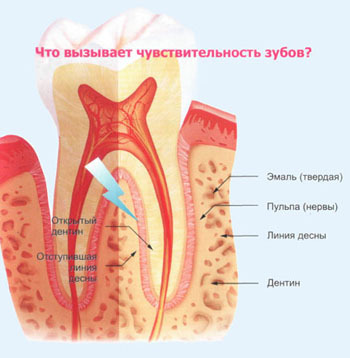
Possible causes range from damage to the tooth surface to wider health-related factors. The dentist considers both your oral health and your medical history.
- Enamel damage from frequent exposure to acids.
- Exposed dentine associated with decay or other tooth damage.
- Hormonal changes, including those associated with pregnancy or menopause.
- Changes affecting mineral metabolism.
- Relevant general health conditions or previous medical treatment.
- Frequent consumption of acidic foods and drinks.
When dentine becomes exposed, everyday stimuli can affect the tissues inside the tooth. Even cold air or brushing may trigger discomfort. The area near the gumline can be particularly sensitive when the gum has receded.
Dentine contains tiny channels called dentinal tubules. These contain fluid and communicate with the inner part of the tooth. Changes in fluid movement can stimulate the nerves and produce a brief, sharp pain. Exposed dentine is more susceptible to these external triggers.
How is tooth sensitivity assessed?
Your dentist asks about the triggers, duration and location of the pain, then examines the teeth and gums. The assessment may identify decay, erosion, tooth wear, cracks or exposed root surfaces.
It is important to distinguish dentine sensitivity from other causes of toothache, including inflammation of the pulp. Sensitivity often stops soon after the trigger is removed. Longer-lasting pain or pain that occurs without a clear trigger needs further assessment.
Symptoms of sensitive teeth
A typical symptom is a short, sharp pain brought on by cold, heat, sweetness or acidity. The discomfort may last only a few seconds after the stimulus is removed. Its severity can vary considerably; some people find even breathing cold air uncomfortable.
Symptoms can fluctuate. There may be periods when the teeth react less strongly or seem normal, followed by a return of sensitivity.
Different patterns of sensitivity
Dentists assess sensitivity by how many teeth are affected, the underlying cause and the severity of the symptoms. These distinctions help guide investigation and treatment.
By the area affected
Sensitivity may affect one tooth, several teeth or much of the mouth. Two broad patterns are described:
- Localised sensitivity.
- Generalised sensitivity.
Localised sensitivity affects one or a few teeth. It may be associated with decay, localised wear, a defect near the gumline or a recent dental procedure. Sensitivity can sometimes occur after a filling, cleaning or other treatment, but persistent symptoms should be checked.
Generalised sensitivity affects many teeth. It may be associated with widespread gum recession, tooth wear, enamel erosion or multiple areas of decay.
By the underlying cause
Sensitivity can be associated with loss of tooth tissue or with exposed surfaces without major tissue loss.
When tooth tissue has been lost, possible factors include:
Other situations include:
When tooth tissue has been lost, possible factors include:
- Cavities.
- Enamel erosion.
- Wedge-shaped defects near the gumline.
- Excessive tooth wear.
- Preparation for crowns or inlays.
- Recent dental surgery or other treatment.
Other situations include:
- Gum disease that exposes the necks or roots of teeth.
- Gum recession.
- Relevant changes in general health or metabolism.
By symptom severity
Sensitivity may progress from a response to temperature alone to reactions to chemical triggers and touch.
The dentist uses the full clinical assessment, rather than symptoms alone, to identify the cause and plan treatment.
- Mild: mainly triggered by hot or cold.
- Moderate: triggered by temperature and substances such as sweet or acidic foods.
- More severe: triggered by temperature, chemical stimuli and even light contact.
The dentist uses the full clinical assessment, rather than symptoms alone, to identify the cause and plan treatment.
Treating sensitive teeth
Treatment depends on the cause and severity of the problem.
Protecting exposed surfaces. Desensitising products, topical fluoride or other protective treatments may be considered. Some teeth need a bonded restoration to cover a damaged or exposed area.
Treating decay. If a cavity is responsible, the decayed area is treated and the tooth restored.
Managing gum recession. The dentist assesses gum health and discusses appropriate care. In selected cases, treatment to cover exposed roots may be considered.
Addressing tooth wear and the bite. Excessive wear may require a broader plan to manage the causes and protect the remaining tooth structure.
Checking symptoms after a filling. Persistent sensitivity may require assessment of the filling, the bite and the health of the pulp. Sometimes a restoration needs adjustment or replacement.
After cleaning or whitening. The dentist checks for other causes and may recommend a suitable desensitising approach. Whitening needs particular care when teeth are already sensitive.
Following orthodontic treatment. Sensitivity should be assessed individually, with advice on cleaning and protection of exposed areas where needed.
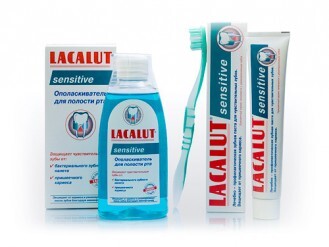
A dentist can help select an appropriate toothpaste and treatment for your particular teeth rather than relying on a product chosen at random.
Helping prevent tooth sensitivity
Daily care can help reduce avoidable irritation:
Your dentist can recommend a suitable desensitising product and check whether exposed dentine, gum inflammation or another condition is responsible. Treating the cause is important; temporary relief alone does not replace a dental assessment.
- Clean your teeth regularly with an appropriate toothpaste.
- Use a gentle brushing technique that does not damage the teeth or gums.
- Discuss whitening products with your dentist if your teeth are sensitive.
- Maintain a balanced diet.
- Limit frequent exposure to acidic foods and drinks.
- Attend regular dental check-ups at the interval recommended for you.
Your dentist can recommend a suitable desensitising product and check whether exposed dentine, gum inflammation or another condition is responsible. Treating the cause is important; temporary relief alone does not replace a dental assessment.